Sewage Tank Installation in Denver, CO
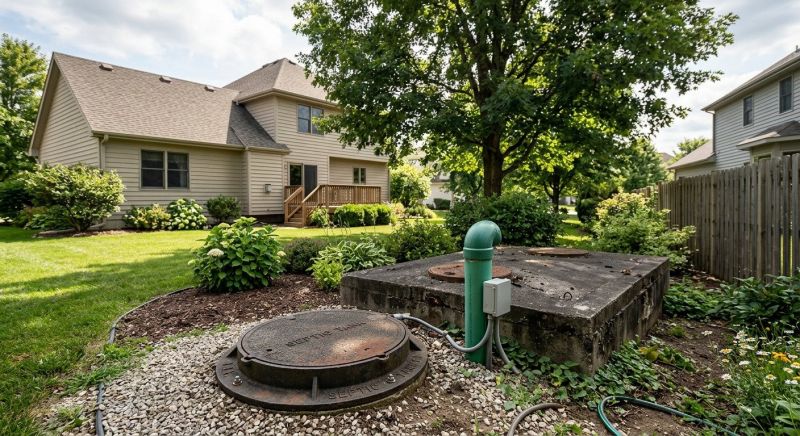
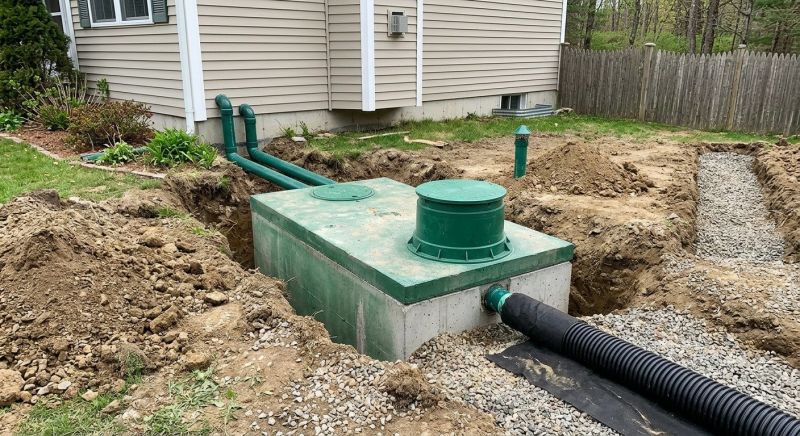
Sewage tank installation services involve placing underground tanks designed to collect and manage wastewater from residential properties. These installations are essential for homes that are not connected to municipal sewer systems, providing a reliable way to handle waste through proper containment and treatment. Projects typically include selecting the appropriate tank size, preparing the site, and ensuring proper connection to plumbing systems. Homeowners often want to understand the different types of tanks available, the installation process, and what site conditions are necessary for a successful setup.
Before requesting sewage tank installation, property owners should consider factors such as local regulations, space availability, and soil conditions. It’s important to determine the best location for the tank to ensure easy access for maintenance and compliance with setback requirements. Additionally, understanding the maintenance needs and lifespan of different tank materials can help in making informed decisions. Clear communication about project scope and site specifics can help ensure the installation meets both property needs and regulatory standards.
Many property owners in Denver, CO look into Sewage Tank Installation for repairs, replacements, upgrades, and appearance-related improvements.
Sewage Tank Types
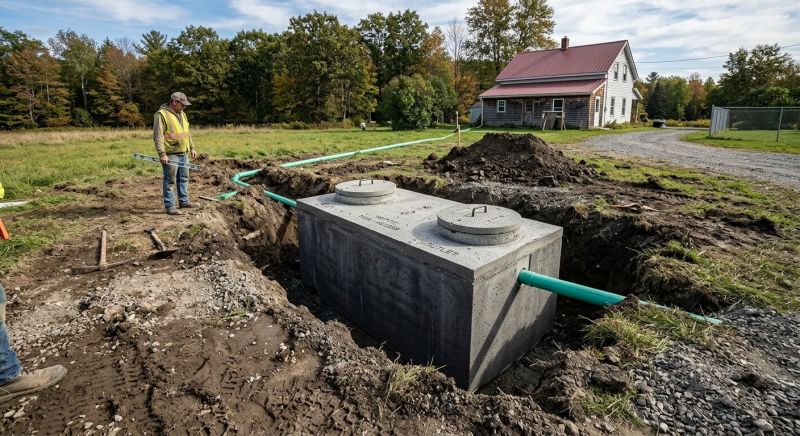
Different sewage tanks are designed to meet various property needs and usage levels.
Installation Considerations
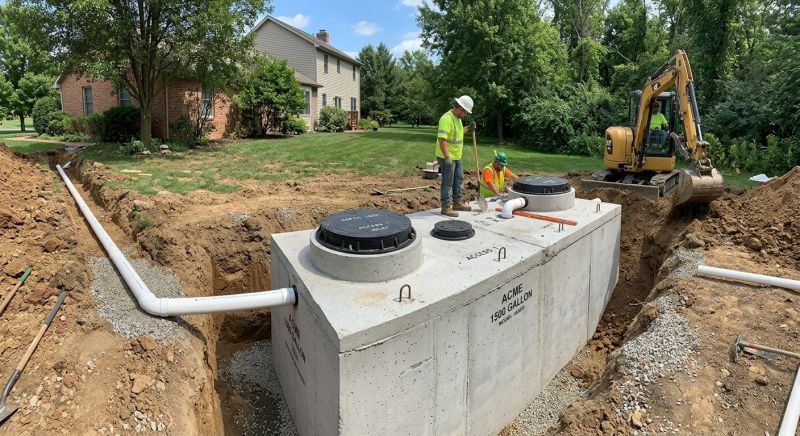
Proper site assessment and planning are essential for a durable and compliant sewage tank setup.
Maintenance & Care
Regular inspection and maintenance help ensure the longevity and proper functioning of sewage tanks.
Sewage Tank Installation in Denver, CO

Sewage tank installation services involve placing underground tanks designed to collect and manage wastewater from residential properties. These installations are essential for homes that are not connected to municipal sewer systems, providing a reliable way to handle waste through proper containment and treatment. Projects typically include selecting the appropriate tank size, preparing the site, and ensuring proper connection to plumbing systems. Homeowners often want to understand the different types of tanks available, the installation process, and what site conditions are necessary for a successful setup.
Before requesting sewage tank installation, property owners should consider factors such as local regulations, space availability, and soil conditions. It’s important to determine the best location for the tank to ensure easy access for maintenance and compliance with setback requirements. Additionally, understanding the maintenance needs and lifespan of different tank materials can help in making informed decisions. Clear communication about project scope and site specifics can help ensure the installation meets both property needs and regulatory standards.
Many property owners in Denver, CO look into Sewage Tank Installation for repairs, replacements, upgrades, and appearance-related improvements.
Common Sewage Tank Installation Jobs
Sewage Tank Installation - Proper installation ensures effective waste management for residential properties.
Septic Tank Setup - Custom systems are designed to meet the specific needs of each property.
Tank Placement - Site assessment helps identify the optimal location for durability and accessibility.
Tank Connection - Proper piping and connections are essential for system performance and compliance.
System Inspection - Ensures the tank is correctly installed and ready for operation.
Maintenance Planning - Guidance on future upkeep helps maintain system functionality over time.
Sewage Tank Installation Questions
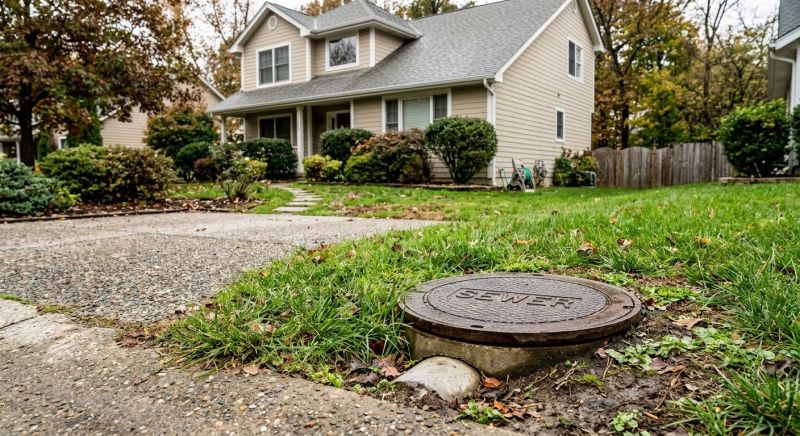
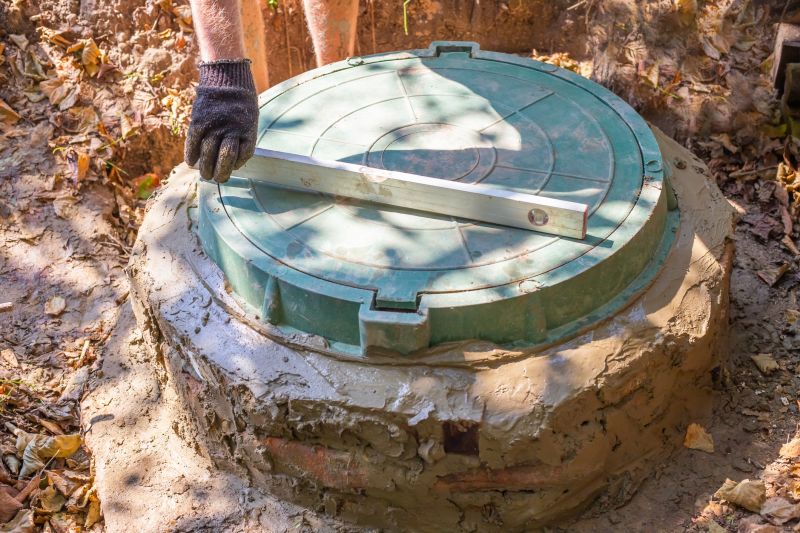
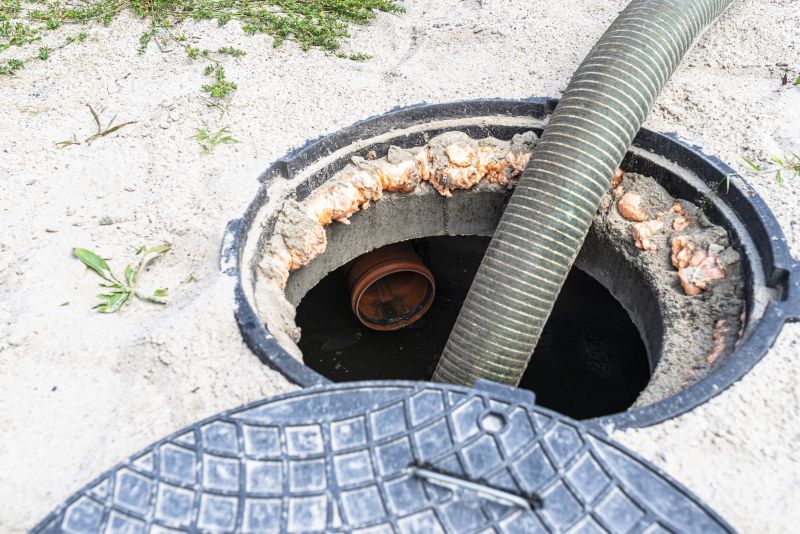
What is involved in installing a sewage tank? The process includes site assessment, proper placement, excavation, and connection to the property’s plumbing system.
What types of sewage tanks are available? Common options include septic tanks, holding tanks, and aerobic treatment units, chosen based on property needs and local regulations.
Are permits required for sewage tank installation? Yes, permits are typically needed to ensure the installation complies with local codes and environmental standards.
How should a property be prepared for installation? Clear the area of obstructions, ensure access for equipment, and provide a suitable location for the tank placement.
Request Sewage Tank Installation in Denver, CO
Use the quote form on this page to share the basics of your project and request more information for the type of work you need.