Drain Field Replacement in Denver, CO
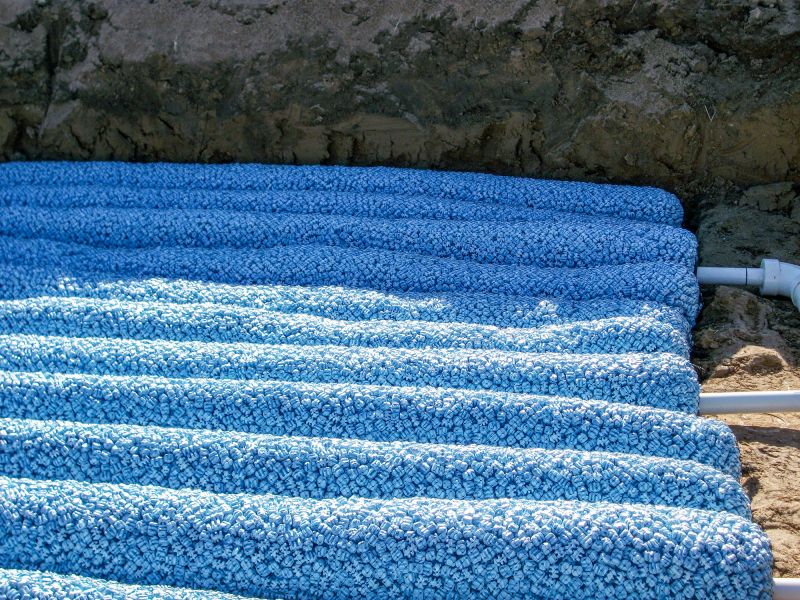
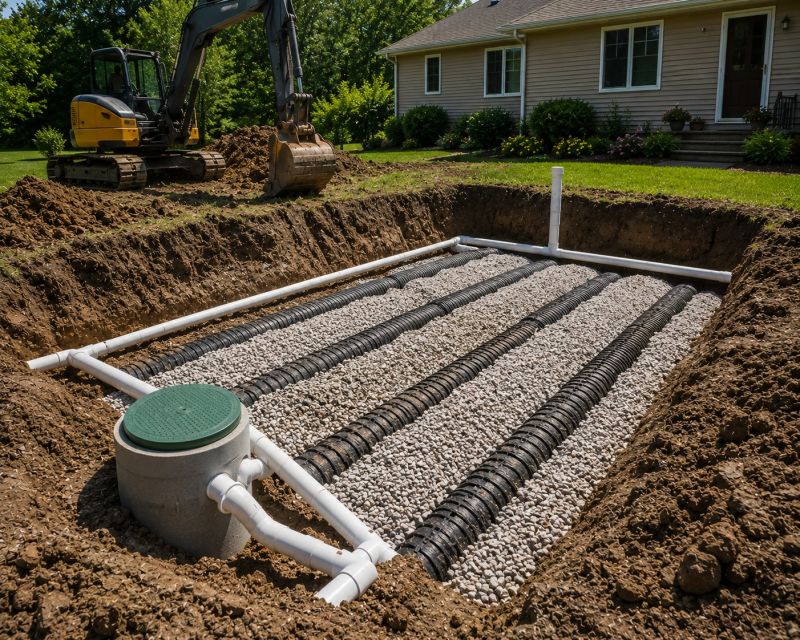
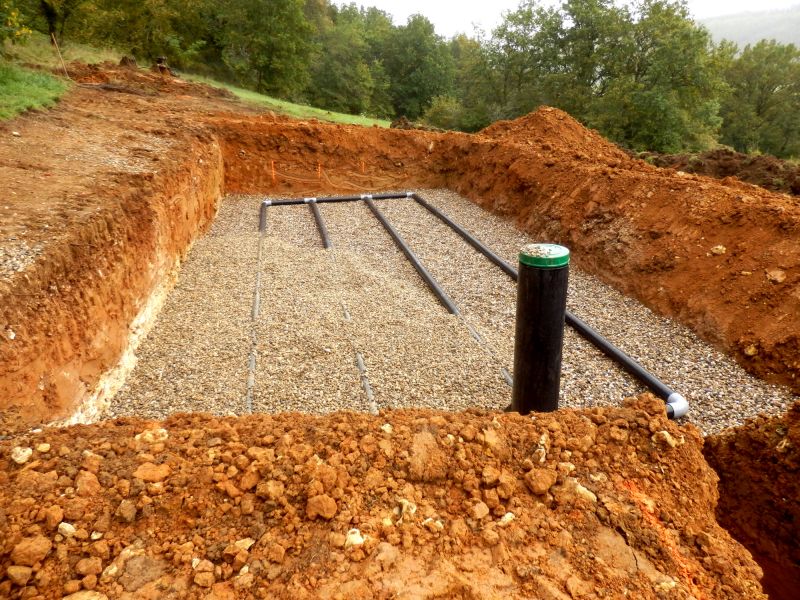
Drain field replacement services involve removing an existing drain field system and installing a new one to ensure proper wastewater management for residential properties. This process is typically necessary when the current drain field has failed, becomes clogged, or no longer functions efficiently, which can result in wastewater backups or pooling on the property. Projects often include evaluating the existing system, excavating the old drain field, and installing new drain lines and gravel beds that meet local health and safety standards. Homeowners should understand the scope of work involved, potential property impacts, and the importance of proper system sizing to maintain effective sewage disposal.
Before requesting drain field replacement, property owners often want to know about the signs indicating a failing system, such as persistent odors, slow-draining fixtures, or lush patches of grass over the drain field area. It’s also helpful to consider the condition of the existing septic system, any necessary permits, and the overall suitability of the property for a new drain field. Clear understanding of these factors can support informed decisions about the timing and scope of the project, ensuring the system functions reliably for years to come.
Many property owners in Denver, CO look into Drain Field Replacement for repairs, replacements, upgrades, and appearance-related improvements.
Signs You Need A Drain Field Replacement
Persistent backups or foul odors can indicate a failing drain field that requires replacement.
Benefits Of Drain Field Replacement
A new drain field can improve system efficiency and help maintain a healthy property environment.
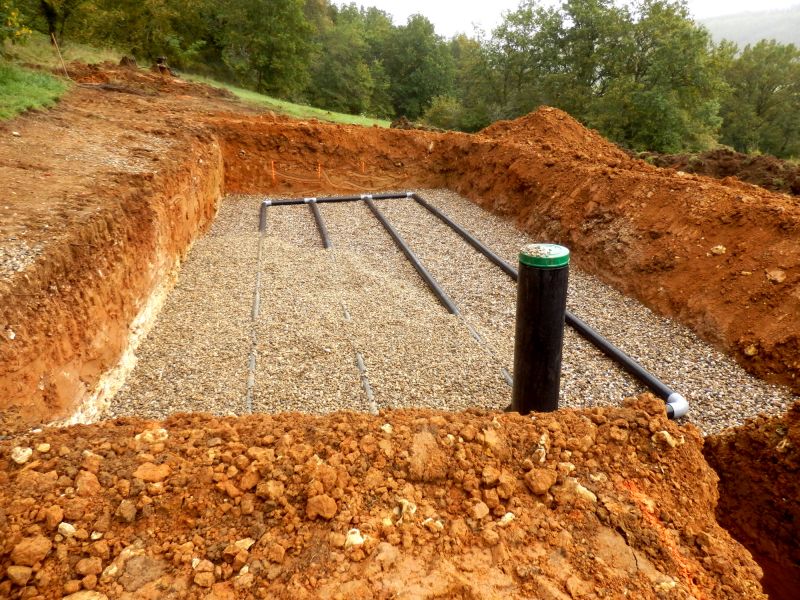
What To Expect During Replacement
The process involves removing the old system and installing a new one tailored to the property's soil and usage needs in denver area.
Drain Field Replacement in Denver, CO

Drain field replacement services involve removing an existing drain field system and installing a new one to ensure proper wastewater management for residential properties. This process is typically necessary when the current drain field has failed, becomes clogged, or no longer functions efficiently, which can result in wastewater backups or pooling on the property. Projects often include evaluating the existing system, excavating the old drain field, and installing new drain lines and gravel beds that meet local health and safety standards. Homeowners should understand the scope of work involved, potential property impacts, and the importance of proper system sizing to maintain effective sewage disposal.
Before requesting drain field replacement, property owners often want to know about the signs indicating a failing system, such as persistent odors, slow-draining fixtures, or lush patches of grass over the drain field area. It’s also helpful to consider the condition of the existing septic system, any necessary permits, and the overall suitability of the property for a new drain field. Clear understanding of these factors can support informed decisions about the timing and scope of the project, ensuring the system functions reliably for years to come.
Many property owners in Denver, CO look into Drain Field Replacement for repairs, replacements, upgrades, and appearance-related improvements.
Common Drain Field Replacement Jobs
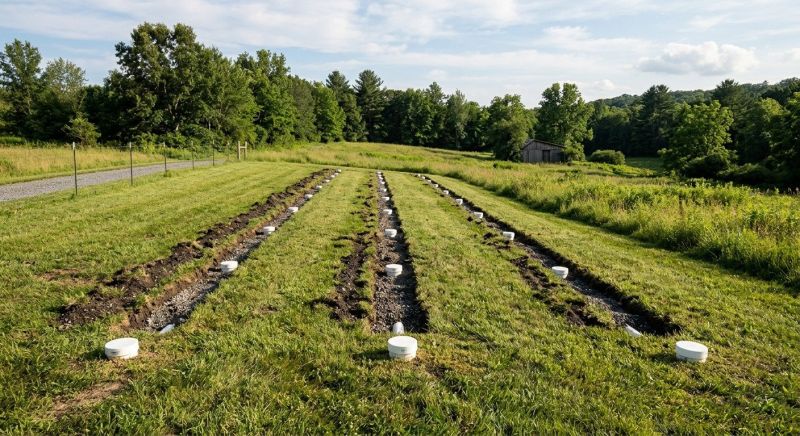
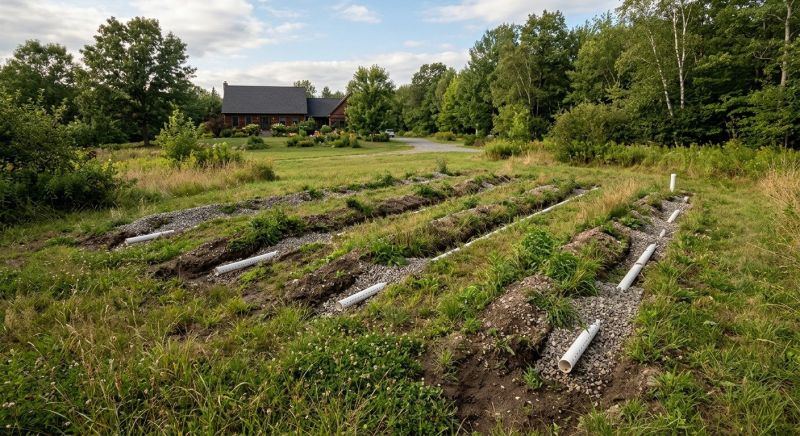
Drain field replacement services involve installing a new absorption area for septic systems to ensure proper wastewater treatment.
This work is needed when existing drain fields fail, become clogged, or show signs of deterioration.
Proper installation helps prevent sewage backups and groundwater contamination.
Drain field replacement typically requires site evaluation to determine the best location and system size.
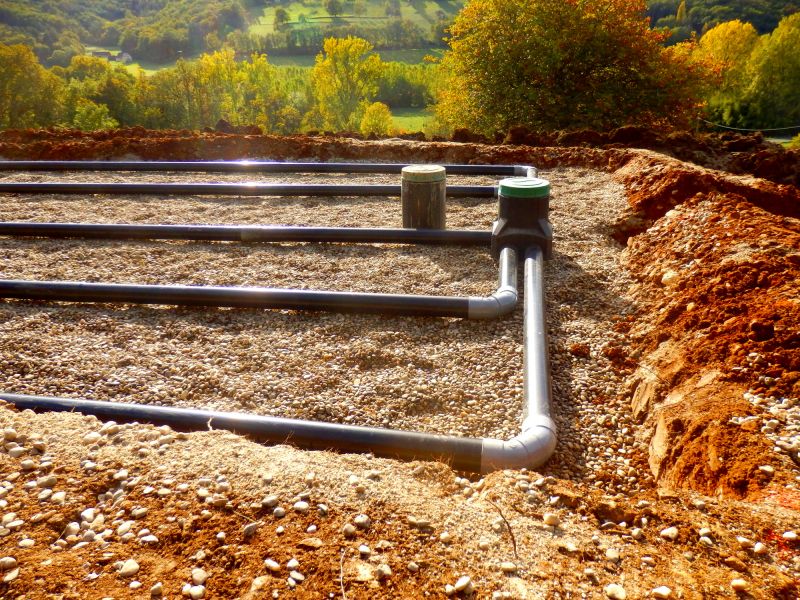
Materials used include gravel, pipe, and specialized absorption beds designed for longevity.
Property owners should consider professional assessment to plan an effective and compliant replacement.
Drain Field Replacement Questions
What is drain field replacement? Drain field replacement involves removing and installing a new drain field system to ensure proper wastewater disposal from a septic system.
Why might a drain field need replacement? Signs such as sewage odors, standing water, or slow drains may indicate the drain field is failing and needs replacement.
How is a drain field replacement performed? The process typically includes excavating the old drain field, removing it, and installing a new system designed for the property’s needs.
What should property owners consider before replacing a drain field? It is important to evaluate the site conditions and ensure proper planning for the new drain field installation.
Request Drain Field Replacement in Denver, CO
Use the quote form on this page to share the basics of your project and request more information for the type of work you need.