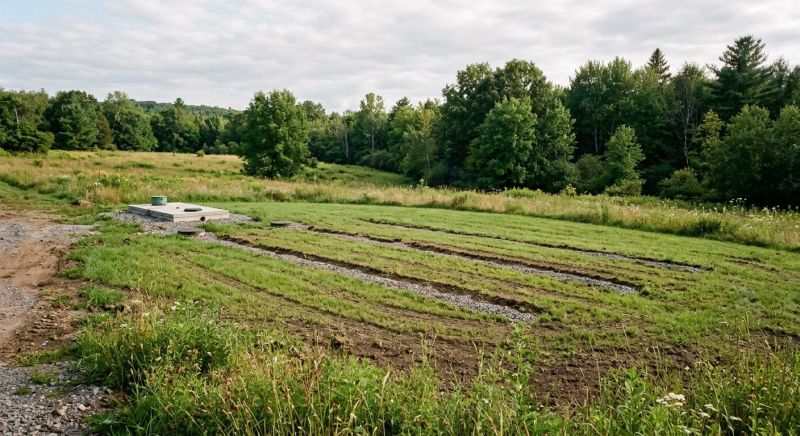
Drain Field Installation in Austin, TX
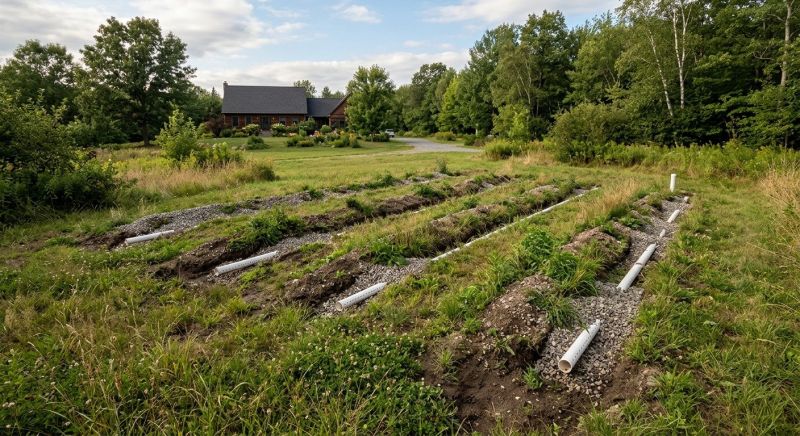
Drain field installation services involve setting up the underground system that safely disperses wastewater from a septic tank into the surrounding soil. This process typically includes selecting appropriate site locations, preparing the ground, and installing the necessary pipes and gravel beds to ensure proper drainage. Projects can range from new septic system setups for residential properties to replacing or upgrading existing drain fields that may no longer function effectively. Property owners often want to understand the size and layout requirements, soil conditions, and local regulations to ensure the system is designed for optimal performance and longevity.
Before requesting drain field installation, homeowners should consider factors such as property size, soil type, and the location of existing underground utilities. It’s also helpful to understand the capacity needed based on household size and water usage to determine the appropriate system size. Clarifying these details can help ensure the installation meets the property’s needs and complies with local codes. Proper planning and preparation can lead to a reliable septic system that functions efficiently for years to come.
Many property owners in Austin, TX look into Drain Field Installation for repairs, replacements, upgrades, and appearance-related improvements.
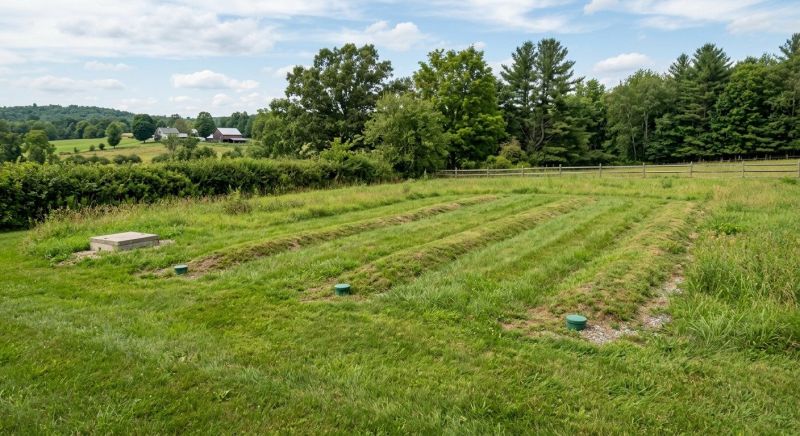
Drain Field Installation Services
Examples of drain field installation work property owners may explore in austin, tx.
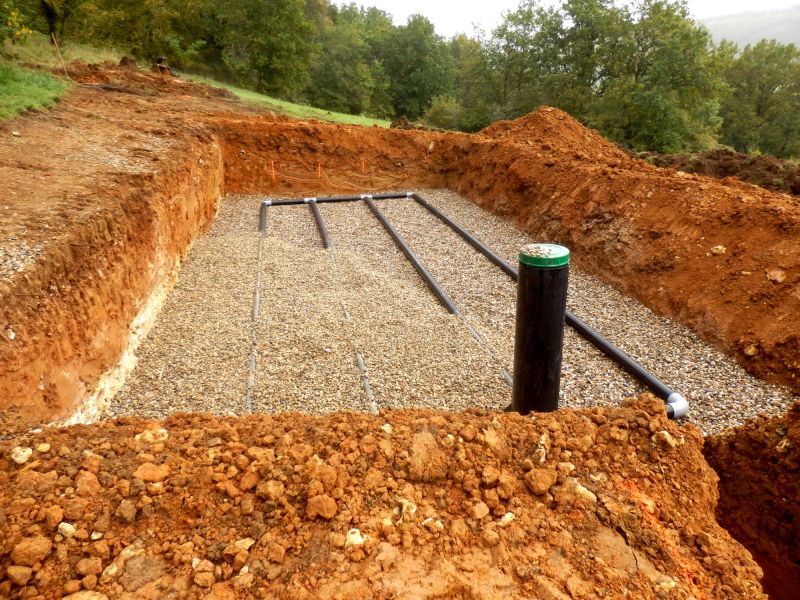
Drain Field Installation Updates
Common ways people refresh, improve, or restore drain field installation features in austin, tx.
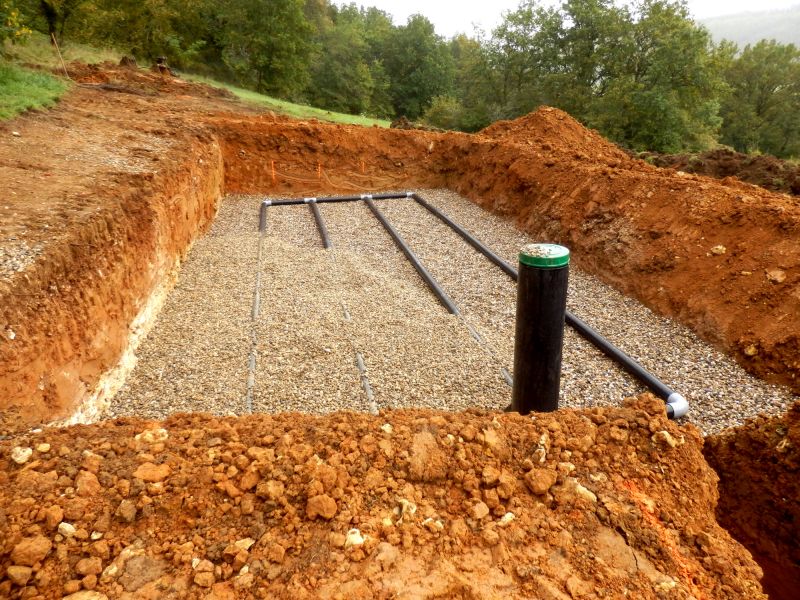
Drain Field Installation Options
Different styles, layouts, and finishes people consider for drain field installation in austin, tx.
Drain Field Installation in Austin, TX

Drain field installation services involve setting up the underground system that safely disperses wastewater from a septic tank into the surrounding soil. This process typically includes selecting appropriate site locations, preparing the ground, and installing the necessary pipes and gravel beds to ensure proper drainage. Projects can range from new septic system setups for residential properties to replacing or upgrading existing drain fields that may no longer function effectively. Property owners often want to understand the size and layout requirements, soil conditions, and local regulations to ensure the system is designed for optimal performance and longevity.
Before requesting drain field installation, homeowners should consider factors such as property size, soil type, and the location of existing underground utilities. It’s also helpful to understand the capacity needed based on household size and water usage to determine the appropriate system size. Clarifying these details can help ensure the installation meets the property’s needs and complies with local codes. Proper planning and preparation can lead to a reliable septic system that functions efficiently for years to come.
Many property owners in Austin, TX look into Drain Field Installation for repairs, replacements, upgrades, and appearance-related improvements.
Common Drain Field Installation Jobs
Drain field installation involves setting up the underground system that disperses wastewater from a septic tank.
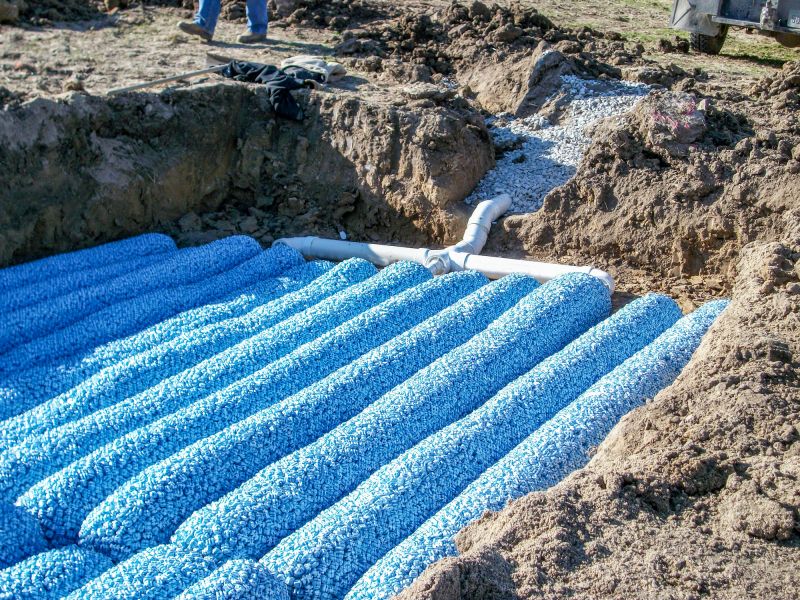
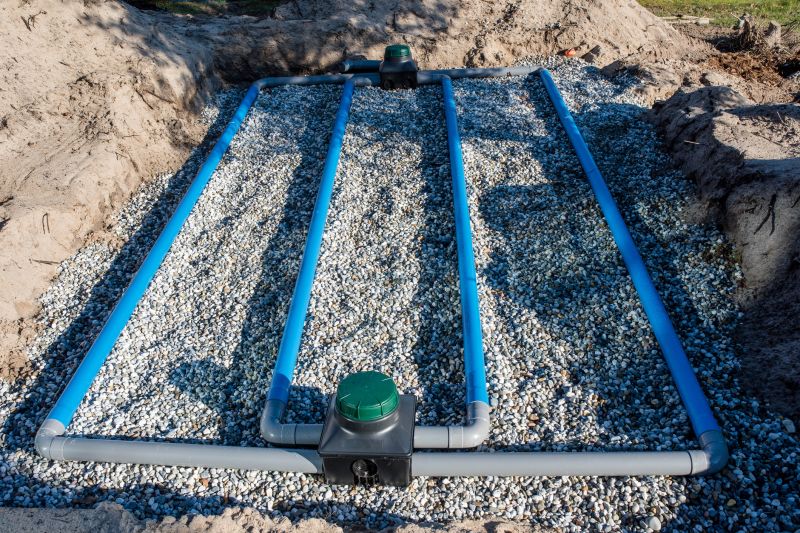
Leach field setup includes designing and installing trenches filled with gravel or sand for proper drainage.
Septic system installation covers constructing the drain field as part of a complete septic system setup.
Soil testing services evaluate soil conditions to determine the best location and design for the drain field.
Drain field replacement involves removing an old or failing system and installing a new one to ensure proper function.
Maintenance and repair services help keep the drain field working efficiently and prevent system failures.
Drain Field Installation Questions
What is a drain field? A drain field is an underground system that disperses treated wastewater from a septic tank into the soil, helping to prevent backups and odors.
When is drain field installation needed? Installation is typically required when a property’s existing system is failing or during new septic system setups for homes and businesses.
What types of drain fields are commonly used? Common options include gravel and pipe systems, chamber systems, and mound systems, chosen based on soil conditions and property layout.
How does soil type affect drain field installation? Soil type influences the design and placement of the drain field, with sandy soils allowing faster drainage and clay soils requiring specialized systems.
Request Drain Field Installation in Austin, TX
Use the quote form on this page to share the basics of your project and request more information for the type of work you need.